A patient fasts for twelve hours, travels across town and rolls up her sleeve. The phlebotomist draws the blood perfectly. Two days later, the lab calls: the sample is unusable. Please come back and do it all again.
Nobody in the lab made a mistake. The problem started much earlier, with the tube.
We tend to think of diagnostic quality as something that happens inside the lab, with analysers, calibration and skilled technicians. But a result can only be as good as the sample that arrives. And the sample's quality is decided at the collection point, by the humble tubes, vials and swabs in your trolley.
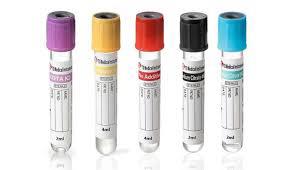
The Wrong Tube Quietly Ruins the Right Sample
Different tests need different additives inside the tube. Some tubes carry a clotting agent, others an anticoagulant, and each one is made for particular tests. Fill the wrong one and the cells, the chemistry or the clotting factors can change before the sample ever reaches the bench.
Order of draw matters too. Carry-over from one additive to the next can skew results in ways the lab may never be able to spot.
The result? Repeat draws, delayed diagnoses and frustrated patients. Many "lab errors" are really collection errors in disguise. See our blood collection tube colour code reference for the standard additive-to-test mapping.
Vials and Containers: Small Details, Big Consequences
A loose cap, a cracked vial or a poor seal can mean leakage, contamination or evaporation. Volume matters as well. An underfilled tube changes the ratio of blood to additive, and that alone can compromise a test. Even mixing a tube too hard, or not at all, can change what the lab sees.
Labelling is part of this, too. A tube that can't be matched confidently to its patient is a tube nobody should trust.
Swabs: The Quiet Culprit in Microbiology
A swab looks simple. It isn't. The tip material, the shaft and the transport medium all affect whether the organism you're hunting survives the journey. Different organisms need different media, so one swab rarely fits every test.
Use the wrong swab, or leave it sitting too long without the right medium, and a real infection can come back as "no growth". That's a false reassurance, and it's the most dangerous kind.
What Good Collection Looks Like
You don't need a complicated system. You need a consistent one:
- Match the tube to the test. Keep a clear, visible reference chart at every collection point.
- Check before you use. Look at expiry dates, seals and packaging integrity every time.
- Fill to the line. Train staff to respect fill volumes and gently mix tubes where required.
- Label at the bedside. Never pre-label, and never label later from memory.
- Store and transport properly. Temperature and time in transit matter as much as the draw itself.
Quality Supplies Are Not a Luxury
It's tempting to treat consumables as a line item to squeeze. But a cheaper tube that causes a single repeat draw can wipe out what you saved on the whole box. Add the patient's lost time and your team's goodwill, and the maths gets worse.
Where to Start This Week
- Walk through your collection area and list every tube, vial and swab in use.
- Ask your phlebotomists and nurses which items cause the most rejected samples.
- Check your lab's rejection log and trace the top reasons back to the supplies.
- Fix one thing first, then measure whether rejections drop.
The Takeaway
Great diagnostics begin at the point of collection. The lab can only work with what you send it, so give it samples worth trusting.
Which tube or swab causes the most headaches in your centre? Start there, and you'll be surprised how quickly things improve. Explore the LIFORAMED product range or request a quote for your collection consumables.