Diagnostic labs handle biological material in every shift — making PPE compliance a clinical protocol, not a formality. This checklist is for lab managers and supervisors.
Why Pathology & Diagnostic Settings Need Distinct PPE Protocols
Lab staff handle blood, urine and tissue samples far more continuously than ward staff. Missed eyewear or a torn glove creates exposure risk ward protocols don't cover. Distinct PPE specifications are correct lab practice.
Core PPE for Lab & Sample-Handling Staff
- Nitrile examination gloves — low-allergen and chemo-tested, suited to staff handling samples and reagents.
- Face masks — 3-ply for general lab movement, surgical-grade for higher-risk processing.
- Surgical or bouffant caps — in sample preparation zones requiring contamination control.
- Lab coats — full-length cotton-blend barrier for all staff handling samples or reagents.
- Safety goggles and face shields — non-optional for centrifuging, pipetting or specimen processing.
Supporting Compliance Beyond PPE
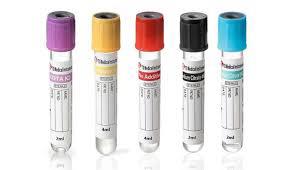
PPE compliance extends to the consumables staff handle every shift:
- Sterile cotton swabs and blood collection tubes — ISO 6710-compliant, handled by gloved staff.
- Petri plates — pre-sterilised, requiring gloved, controlled handling.
- CSSD consumables — steam indicator tape and Bowie-Dick tests — for any autoclaved equipment.
- Labelled waste containers for chemical, biohazard and sharps segregation.
- A syringe needle destroyer to reduce sharps risk at the collection point.
View pathology and lab consumables in the full LIFORAMED catalogue.
Building a Compliance Checklist
| Area | Item | Compliance Note |
|---|---|---|
| Hand protection | Nitrile examination gloves | Low-allergen, chemo-tested variant available |
| Respiratory | 3-ply / Type IIR masks | Match to task risk level |
| Body protection | Lab coats | Full-length, cotton-blend |
| Eye/face protection | Safety goggles, face shields | For centrifuging, pipetting, splash-risk tasks |
| Sample handling | Sterile cotton swabs, blood collection tubes | Sterile, colour-coded to international standard |
| Sterile processing | CSSD indicator tape, steam tests | ISO 11140-compliant indicators |
| Waste management | Labelled waste containers | Segregated chemical, biohazard, sharps |
Common Compliance Gaps in Diagnostic Labs
- Treating safety goggles as optional for splash-risk tasks.
- Reordering gloves without confirming nitrile chemo-tested options are in stock.
- Not maintaining a dated record of CSSD sterilisation indicator results.
- Waste containers not clearly labelled or replaced once full.
How LIFORAMED Supports This
LIFORAMED Healthcare supplies nitrile and latex gloves, masks, caps, lab coats and goggles — alongside sterile cotton swabs, blood collection tubes, petri plates, CSSD indicators and waste containers. See our hospital PPE sourcing guide for gloves, masks and caps selection, and why one-stop PPE sourcing is the smarter way to procure for the consolidated-supplier rationale.
Conclusion
PPE compliance in a diagnostic setting is tied to how samples are handled. The right gloves, eyewear and consumables — documented consistently — make a checklist actionable.
Looking for reliable PPE and healthcare consumables for your organisation? Explore the LIFORAMED product range or write to [email protected] to discuss your requirements — or request a diagnostic lab supply quote directly.
FAQs
Q1. What PPE is essential for pathology lab staff?
Nitrile or latex examination gloves, face masks, lab coats, and safety goggles or face shields for splash-risk tasks such as centrifuging or pipetting are core PPE for pathology lab staff.
Q2. Why are nitrile gloves often preferred in diagnostic labs?
Nitrile gloves are positioned as low-allergen and chemo-tested, which is relevant for staff handling a wide range of samples and reagents in a lab setting.
Q3. Does PPE compliance in a lab include sample-handling consumables?
Yes — sterile cotton swabs, blood collection tubes and sterile petri plates are handled under the same gloved, controlled conditions as general PPE compliance, so they are typically reviewed together.
Q4. What role does CSSD play in diagnostic lab compliance?
CSSD consumables such as steam indicator tape and chemical or biological steam tests support sterilisation compliance for any equipment the lab reprocesses, complementing PPE-based infection control.
Q5. How should a diagnostic lab manage sharps and biohazard waste?
Labelled waste containers for chemical, biohazard and sharps segregation, along with point-of-use tools like a syringe needle destroyer, support safer sharps handling and compliant waste disposal.