Gloves, masks and caps make up most everyday PPE spend — yet sourcing decisions are often price-driven. This guide helps procurement teams and clinical administrators choose more deliberately at every reorder.
A Sourcing Checklist Before You Order
| Category | What to Check |
|---|---|
| Examination gloves | Latex or nitrile, powdered or powder-free, AQL level, size range |
| Surgical gloves | Anatomical fit, sterility, size range |
| Face masks | 3-ply vs Type IIR, BFE rating, tie-on vs earloop |
| Surgical/bouffant caps | Style, band material, sizing |
| Overshoes | Anti-skid option, fluid-resistant coating if needed |
Why Sourcing Decisions for Gloves, Masks and Caps Deserve Scrutiny
All three categories appear in nearly every clinical interaction. Small differences in fit, comfort or protection compound quickly — affecting staff compliance, reorder accuracy and cost control.
Examination & Surgical Gloves: What to Evaluate
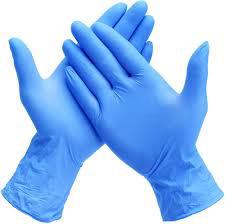
Latex vs Nitrile
Latex gloves — powdered and powder-free — suit routine examination. Nitrile gloves are low-allergen and chemo-tested, suited where latex sensitivity or chemo handling is a concern. Sterile surgical gloves are a separate category.
Powdered vs Powder-Free
The right choice depends on departmental preference and any facility-level policy on powder use.
Sizing and Quality Assurance
Gloves run XS to XL. Benchmark quality assurance against AQL 1.5 — the standard for medical gloves. Ask every prospective supplier what inspection level applies. View examination and surgical gloves in the LIFORAMED catalogue.
Face Masks: Matching Mask Type to Setting
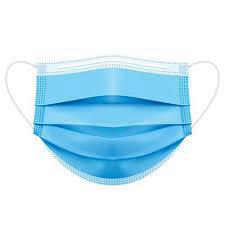
The right mask specification depends on where it will be used:
- 3-ply non-woven masks with BFE 98% or higher for general clinical and OPD use.
- Surgical, Type IIR-rated masks for operating theatres and higher-risk procedures.
- Hypoallergenic, latex-free elastic for staff wearing masks over long shifts.
- Tie-on vs earloop is a comfort preference — both should be available.
- Adjustable nose bridge reduces fogging for eyewear users.
Surgical & Bouffant Caps: Comfort and Compliance
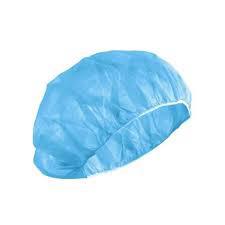
Bouffant caps suit broad hair coverage for ward and theatre use; tie-back styles offer a closer fit for surgical teams. Look for an elasticated, latex-free band in universal sizes — 18 inch and 21 inch — so one order covers most staff.
Don't Forget Overshoes and Eyewear
Disposable overshoes — anti-skid sole option for OTs and clean rooms — and safety goggles or face shields complete the PPE picture. Sourcing these from the same supplier removes a separate procurement exercise.
How LIFORAMED Supports This
LIFORAMED Healthcare supplies latex and nitrile examination gloves, sterile surgical gloves, 3-ply and Type IIR face masks, and bouffant and tie-back caps — quality-checked to AQL 1.5 from audited manufacturers. Overshoes and safety eyewear from the same catalogue.
Conclusion
Gloves, masks and caps carry real variation in fit, material and quality control. Applying the checklist above consistently at every reorder helps hospitals avoid under-specifying — risking non-compliance — or over-specifying unnecessarily.
Looking for reliable PPE and healthcare consumables for your organisation? Explore the LIFORAMED product range or write to [email protected] to discuss your requirements.
FAQs
Q1. What is the difference between examination gloves and surgical gloves?
Examination gloves are used for routine clinical contact and are available in latex and nitrile, powdered and powder-free variants. Surgical gloves are sterile and designed with an anatomical fit for procedures.
Q2. When should a facility choose nitrile over latex gloves?
Nitrile gloves are a relevant option where staff have latex sensitivity or where chemo-tested protection is required, such as in departments handling chemotherapy agents.
Q3. What does BFE mean on a face mask specification?
BFE stands for Bacterial Filtration Efficiency, a measure of how effectively a mask filters bacteria; a rating of 98% or higher is typical for 3-ply non-woven masks used in general clinical settings.
Q4. Should operating theatres use the same masks as general wards?
Not necessarily. Operating theatres typically require surgical, Type IIR-rated masks, while 3-ply non-woven masks are generally sufficient for OPDs and general ward use.
Q5. What sizing is standard for surgical and bouffant caps?
Universal sizing is commonly offered in 18-inch and 21-inch options, which covers most staff without needing individual sizing.