Picture 100 patients walking into a hospital. By the time they leave, somewhere between 5 and 15 of them may have picked up an infection they didn't arrive with. The exact number depends on the country, the ward and how well the basics are done. WHO puts it at 5% to 10% in developed countries, while PAHO/WHO cites around 15% in developing settings.
Here's the hopeful part: one of the biggest levers for shrinking that gap needs no machine, no prescription and almost no budget. It's clean hands, at the right moments.
Why Hands?
Hands are how germs travel. They touch a patient, a bed rail, a monitor, a file, then the next patient. WHO describes hand hygiene as the primary measure for reducing healthcare-associated infections, and it costs a fraction of most other interventions.
The Five Moments That Matter
Hand hygiene isn't "wash often." It's wash at the moments that count:
- Before touching a patient.
- Before a clean or aseptic procedure, such as inserting a cannula or catheter.
- After risk of body fluid exposure.
- After touching a patient.
- After touching the patient's surroundings, like the bed, locker or equipment.
So Why Does It Slip?
Rarely because staff don't know. Usually because it's inconvenient:
- The sink is down the corridor.
- The dispenser is empty (and nobody noticed).
- The handrub isn't at the bedside.
- Frequent washing leaves skin dry and sore.
- Gloves create a false sense of "already clean."
Every one of those is a supply and setup problem, not a discipline problem.
Make the Right Thing the Easy Thing
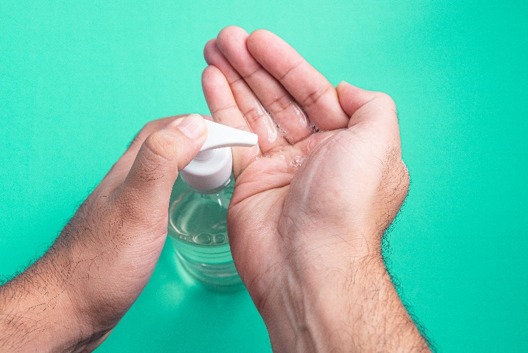
- Put handrub at the point of care. If staff have to walk for it, compliance drops.
- Check dispensers daily. Add it to a shift checklist, with a named owner.
- Choose skin-friendly products. Sore hands lead to skipped hygiene.
- Teach the timing. Alcohol-based rub takes roughly 20 to 30 seconds. Soap and water takes 40 to 60.
- Remember gloves aren't a substitute. Clean hands go before gloves on and after gloves off.
Hands Close Part of the Gap, Not All of It
Here's the honest bit. Hand hygiene is the foundation, but infection prevention is a chain, and each link needs its own supplies:
- Gloves that fit and don't tear, for the moments you do need them.
- Sterile dressings and wound care products for open skin.
- Catheterisation sets and IV cannulae that arrive sterile and complete.
- Sterilised instruments, checked with proper indicators.
Perfectly clean hands can't make up for a torn glove or an incomplete kit. Together, though, these layers shrink the gap far more than any one of them could.
A 10-Minute Check You Can Do Today
Walk one ward or clinic and ask:
- Is handrub within arm's reach of every bed?
- Are all dispensers full?
- Are glove sizes in stock?
- Are procedure kits and dressings complete and in date?
Anything missing is where your gap is hiding.
Closing the Gap, Together
At LIFORAMED, we supply the items hands touch most during patient care: gloves, wound dressings, catheterisation sets, IV cannulae and infusion sets, so staff aren't improvising when the shelf runs low. Our PPE compliance checklist is a handy companion for your next audit.
If your check turns up gaps, our team is happy to help you plan a steadier supply of the essentials.