More than a third of hospital patient falls cause injury, and older patients carry most of that risk. Here's what the data says about why it happens, and four interventions that reduce preventable harm.
A 2 a.m. Walk to the Bathroom
Picture an older inpatient, several nights into a hospital stay, who wakes and needs the bathroom. No one is at the bedside. The ward is quiet, the lighting is low, and the nearest call bell is a reach away. What happens in the next few minutes — whether staff are nearby, whether mobility aids are within reach, whether the risk was flagged at all — is often where patient safety is won or lost. It rarely looks like a crisis in the moment. It looks like an ordinary night shift, right up until it isn't.
How Common Are Hospital Falls, and How Serious?
Falls are one of the most frequently reported adverse events in hospital care. Estimates put the number of inpatient falls at 700,000 to 1 million annually, and AHRQ's patient safety primer on falls notes that over a third of these result in injury — fractures and head trauma among them. The WHO's patient safety fact sheet puts the wider picture in context: 1 in 10 patients is harmed during care, and more than half of that harm is preventable. For a fall-related injury specifically, recovery timelines often extend months beyond what anyone initially expects — a hip fracture in an 80-year-old is rarely just a hip fracture.
Why Older Patients Carry Most of the Risk
Age alone isn't the mechanism — it's what tends to come with it. Older inpatients are more likely to be on multiple medications simultaneously, some of which affect balance, blood pressure or alertness. Physiological safety margins are narrower, so a near-miss in a younger patient can become an actual fall in an older one. Fall risk is sometimes underscreened during busy shifts, when a formal assessment gets deprioritised against more visibly urgent tasks. And discharge instructions — covering new medications, mobility precautions, follow-up care — are sometimes given without confirming the patient or family actually understood them, which shifts risk from the ward into the first days at home.
Why This Matters Right Now
The 2026 UN/WHO International Day of Older Persons theme is "The Age of Longevity: Rethinking Systems for Longer Lives" — a direct challenge to healthcare systems to treat longer lifespans as a design requirement, not an afterthought. Fall prevention sits squarely inside that: systems built for shorter stays and younger, more mobile patients don't automatically protect an ageing patient population.
Four Interventions That Reduce Preventable Harm
- Medication reconciliation — Cross-verify the medication list against what the patient is actually taking at both admission and discharge, catching the duplications and interactions that quietly raise fall risk.
- Fall-risk screening — Run a routine assessment on admission and after any status change, and act on it: mobility aids and non-slip footwear in place before an incident, not after.
- Discharge verification — Have the patient or family repeat instructions back in their own words, rather than confirming understanding with a nod.
- Supply consistency — Keep the consumables a ward depends on for safe mobility and bedside care — underpads, air mattresses, wound care supplies — reliably stocked through what can be an extended stay.
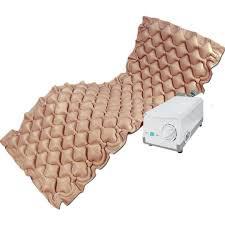
Supply consistency is the intervention most directly in LIFORAMED's lane. Alternating-pressure air bed mattresses, underpads and the wider patient-care range exist precisely to keep bedridden and at-risk older patients safer through longer stays — see our checklist for resident-care consumables in long-stay and nursing settings for the fuller list.
What's Working on Your Ward?
Fall prevention improves ward by ward, usually through small, specific changes rather than one sweeping policy. If your team has made a change that measurably reduced falls or medication errors among older patients, we'd like to hear about it — get in touch and we may feature it in a future piece.
Looking for reliable patient-care consumables for your facility? Explore the LIFORAMED product range or write to [email protected] to discuss your requirements.