There is a stretch of time after a cardiac arrest, a severe bleed, or a choking incident where what happens in the first few minutes decides the outcome, often before any paramedic, doctor, or ambulance arrives. Clinicians call this the golden hour, and in the case of cardiac arrest specifically, the golden minutes matter even more: brain damage can begin within four to six minutes of the heart stopping, and the chance of survival falls by roughly 7-10% for every minute that passes without intervention. The person standing closest to the emergency, not the hospital, is the one who determines whether that window is used or lost.
That person is rarely a doctor. It's a receptionist, a security guard, a teacher, a flight attendant, a factory supervisor, a gym trainer, a hotel staffer. Basic Life Support (BLS) training exists to make sure that whoever is closest knows what to do in that window, and it is just as relevant outside hospitals as inside them.
What the Golden Hour Actually Demands
The golden hour isn't a hospital concept alone, it's a bystander concept. Survival from sudden cardiac arrest, choking, or major trauma depends less on how advanced the eventual medical care is and more on how quickly someone nearby recognises the emergency and starts basic intervention: chest compressions, clearing an airway, controlling a bleed, positioning an unconscious person safely.
Two things have to happen in that window, in order:
- Recognition, knowing this is an emergency and not hesitating.
- Action, starting the correct response immediately, without waiting for someone more qualified to arrive.
BLS training builds both. It's designed to be learned by non-medical people and executed under pressure, which is exactly the condition every real emergency creates.
Why This Isn't Just a Hospital Requirement
Hospitals train staff in BLS because accreditation requires it. But cardiac arrests, choking incidents, and major injuries don't happen only inside hospitals, they happen wherever people gather, work, or travel. A few examples of where the golden hour plays out with no medical staff in sight:
- Corporate offices and factories, sudden cardiac events and workplace injuries, with the nearest help sometimes minutes away.
- Schools and colleges, choking, allergic reactions, and sports injuries among students and staff.
- Hospitality and aviation, guests or passengers experiencing medical emergencies far from a clinical setting, sometimes at 30,000 feet.
- Construction and manufacturing sites, trauma and blood loss where response time is the single biggest factor in outcome.
- Gyms, sports academies, and fitness centres, exertion-related cardiac events in otherwise healthy-looking people.
- Retail and public-facing businesses, the general public, including elderly customers, spending time on premises the business is responsible for.
In every one of these settings, the ambulance is still minutes away. The outcome is decided by whoever is already there.
Why BLS Certification Gaps Persist
Despite this, BLS training is treated as optional outside healthcare, and inconsistently maintained even within it. Common reasons:
- Certification is treated as a one-time box to tick, not a perishable skill that needs refreshing.
- Staff turnover means trained employees leave and untrained ones take their place.
- Time pressure on both hospital wards and non-medical businesses pushes refresher training down the priority list.
- Outside healthcare, there's often no regulatory trigger forcing the conversation at all.
The result is the same everywhere: a workplace full of people who would want to help in an emergency but don't know how, at the exact moment that knowledge would matter most.
What Trained Readiness Looks Like
Genuine readiness for the golden hour has two parts, and neither substitutes for the other:
- Trained people who can recognise an emergency and act correctly in the first few minutes, without freezing or waiting for permission.
- Available basics, a stocked first aid kit, accessible airway and resuscitation supplies, so that trained action isn't delayed by a search for equipment.
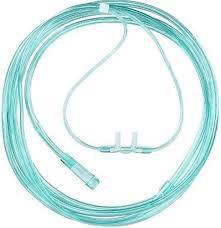
A trained team without supplies is slowed down exactly when speed is everything. A stocked space with untrained people is just as compromised. Both pillars have to be in place, planned together, for the golden hour to actually be used.
Conclusion
The golden hour doesn't wait for a hospital. It plays out in offices, schools, factories, gyms and airports, anywhere people are, an emergency can happen, and the nearest person is the true first responder. Basic Life Support training is what turns that nearest person from a bystander into someone who can actually change the outcome. Every industry with people in it has a stake in closing this gap, not just healthcare.
LIFORAMED works across BLS training and certification as well as supply of PPE and healthcare consumables, the trained-people and available-supplies sides of emergency readiness. View emergency and respiratory care consumables in the full catalogue, read why one-stop PPE sourcing is the smarter way to procure, or write to [email protected] to discuss BLS certification or emergency supply requirements for your organisation — or contact our team about emergency supply requirements directly.
FAQs
Q1. Is BLS training only relevant for hospital staff?
No. Any workplace where people gather, offices, schools, factories, gyms, hotels, aircraft, can face a cardiac, choking, or trauma emergency with no medical staff present. BLS training is relevant wherever people are.
Q2. What is the "golden hour" in the context of BLS?
It's the critical early window after a cardiac arrest, choking incident, or severe injury where immediate action from whoever is nearby has the greatest impact on survival and outcome, often before professional help arrives.
Q3. How much time does someone actually have to act?
For cardiac arrest specifically, brain damage can begin within minutes, and survival odds drop sharply for every minute that passes without intervention, which is why the response has to come from the person already on the scene.
Q4. Why do BLS certification gaps persist even where training has happened before?
Certification is often treated as a one-time requirement rather than a skill that needs periodic refreshing, and staff turnover means trained people are regularly replaced by untrained ones.
Q5. Does having supplies on hand replace the need for training?
No. Equipment and training answer different questions. Having a first aid kit or oxygen tubing on hand doesn't guarantee someone knows how to use it correctly and fast. Both are needed together.